We Rank the Best Rehab & Addiction treatment centers
SUBSTANCE GUIDE
Fentanyl Addiction Treatment
Understand overdose risk, withdrawal, medications for opioid use disorder, naloxone, and continuity of care.
Fentanyl exposure increases overdose risk and makes rapid access to evidence-based opioid treatment especially important.
December 2026 edition
FACILITY COMPARISON | December 2026 edition
Addiction treatment facilities for Fentanyl Addiction Treatment
Compare facility locations, listed services, and source information for each program.
Swipe or scroll horizontally to see all facility details.
Addiction treatment facilities for Fentanyl Addiction Treatment
Facility
Services, location, and sources
Source checked
Hollywood Hills RecoveryNational comparison record
Location
Los Angeles, California
Consumer signal
Recovery.com 4.8/5 (108 reviews; 2026-09-03)
Evidence
The source snapshot reports medically supervised detox, counseling, peer support, and co-occurring care. The listed source reports Joint Commission accreditation. Recovery.com facility snapshot
Best fit
People building a shortlist and confirming the exact level of care, clinical capability, location, and payer fit before admission.
What to check
Check current licensing with the state regulator, network coverage with your insurer, and services, prices, and availability with the facility. Ask the facility about current admissions, treatment protocols, and medication policies for Fentanyl Addiction Treatment.
Approved directory snapshots identify FCCR Radford in Richmond, Virginia. Consumer-review sources: Rehab.com, Recovery.com. Published profile fields describe outpatient care. Published profile tags include Alcohol, Substance Use, Opioids, Outpatient, Prescription Drugs, Chronic Relapse. Rehab.com facility snapshot
Best fit
People whose assessment supports structured outpatient care and who have a sufficiently stable living and recovery environment.
What to check
Check current licensing with the state regulator, network coverage with your insurer, and services, prices, and availability with the facility. Ask the facility about current admissions, treatment protocols, and medication policies for Fentanyl Addiction Treatment.
2026-09-03
Treatment directory coverage in the United States
Our sourced facility records include 2 distinct facility names and locations across 2 states and jurisdictions for this comparison. The figures describe the records in this directory and the services recorded by their listed sources.
2Facility records
0Primary source links recorded
0License IDs recorded
Levels of care represented in the records
Detox: 1 facility records.
Residential: 1 facility records.
Outpatient: 1 facility records.
One facility can list more than one care setting, so these counts may overlap. Use the program sources to find the specific services offered at its location.
Most recent source check in this collection: 2026-09-03.
2024 NATIONAL FACILITY CONTEXT
National evidence behind Fentanyl Addiction Treatment
Among responding United States substance use treatment facilities in the 2024 N-SUMHSS, 42% were for-profit, 48% were non-profit, and 10% were government-owned. This describes the provider market, not the clinical effectiveness of any facility and not whether a program treats the exact substance, population, payer, or level of care on this page.
A national topic ranking must therefore verify service capability at the facility level. A brand reputation, general accreditation, or national footprint cannot substitute for evidence that the exact location provides the relevant care.
Ownership of responding substance use treatment facilities in United States, 2024
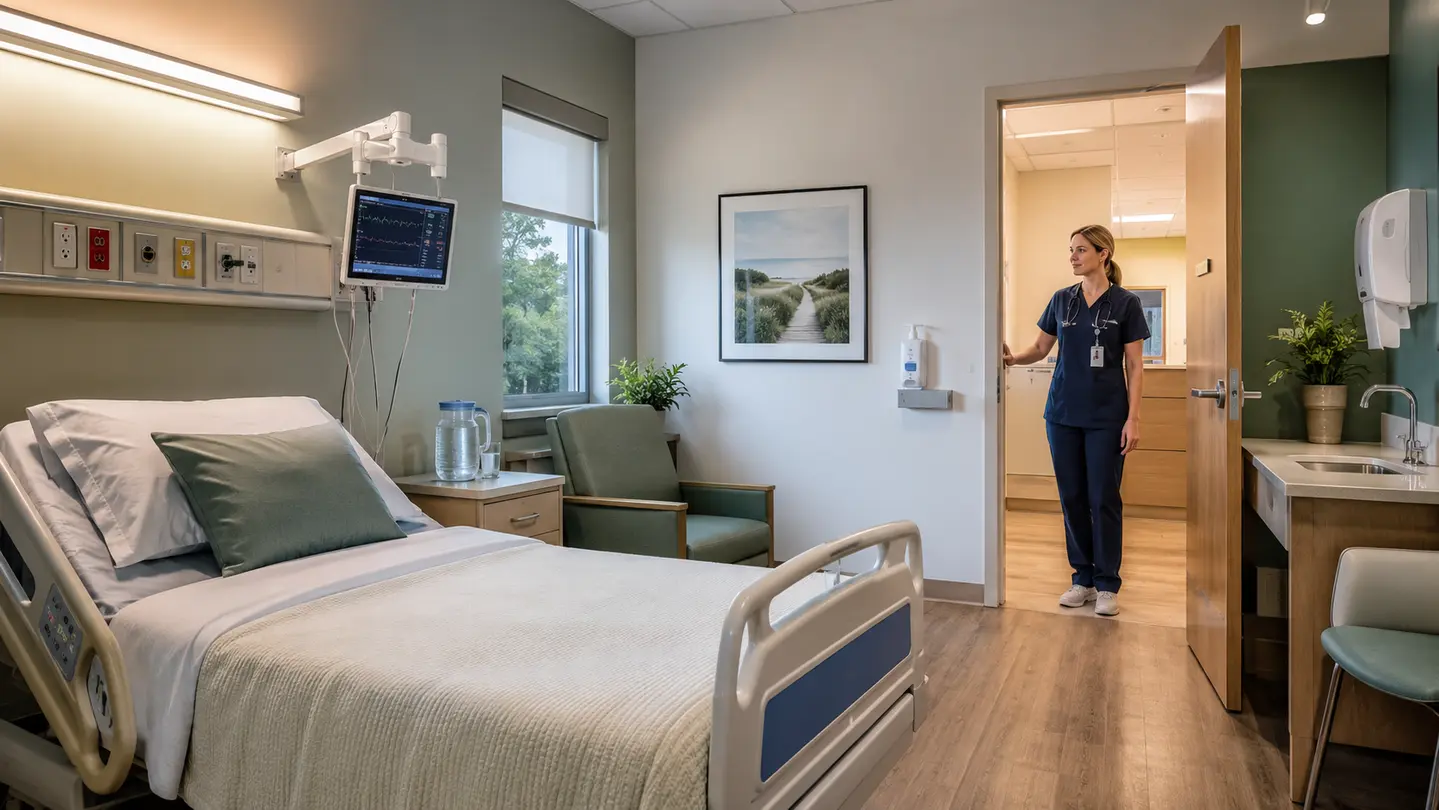
A representative care or research setting. Verify the exact location, service, staffing, and current availability relevant to your decision.
DIRECT ANSWER
Fentanyl addiction is treated as an opioid use disorder. Effective care can include buprenorphine, methadone, or naltrexone when appropriate, plus naloxone access and ongoing support.
WHAT MATTERS
Evaluate the care model, not the label
Fentanyl exposure increases overdose risk and makes rapid access to evidence-based opioid treatment especially important. Program names are not standardized enough to prove intensity, staffing, clinical methods, or fit. Ask for the actual schedule, credentials, medication capabilities, assessment process, and transition plan.
The safest comparison combines clinical need, current authorization, evidence-based practices, practical access, and written financial terms.
DECISION FRAMEWORK
Four lenses for a better comparison
Safety
Can the program identify and manage withdrawal, overdose risk, psychiatric symptoms, medications, and medical complications?
Clinical fit
Does the level of care, treatment approach, and staff expertise match the person rather than a generic pathway?
Continuity
How will care transition across settings, prescribers, housing, family support, and the return to daily life?
Financial clarity
Are network status, exclusions, patient responsibility, refunds, and separate fees explained before admission?
LIMITS OF ONLINE RESEARCH
What a guide cannot decide
Online information can organize questions and evidence, but it cannot diagnose a condition, determine a safe withdrawal plan, or replace an individualized assessment. Urgent medical or psychiatric symptoms require immediate professional evaluation.
EDITORIAL STANDARD
How Addiction Treatment Rankings handles treatment claims
We separate a provider claim from independent evidence. Licensing, accreditation, public records, source dates, and correction history are tracked separately. Commercial relationships do not determine ranking eligibility or placement.
COMMON QUESTIONS
Answers for the next decision
Who should use this guide?
People comparing treatment, families supporting a loved one, referring professionals, and researchers who need a structured starting point.
Does a higher price mean better treatment?
No. Price can reflect location, amenities, staffing, insurance status, or business model. Compare the clinical service and total financial terms directly.
What is the strongest first step?
Get an appropriate assessment, identify the required level of care, and verify that each candidate can safely provide it.